The Ultimate Guide To Home Automation
May 29, 2019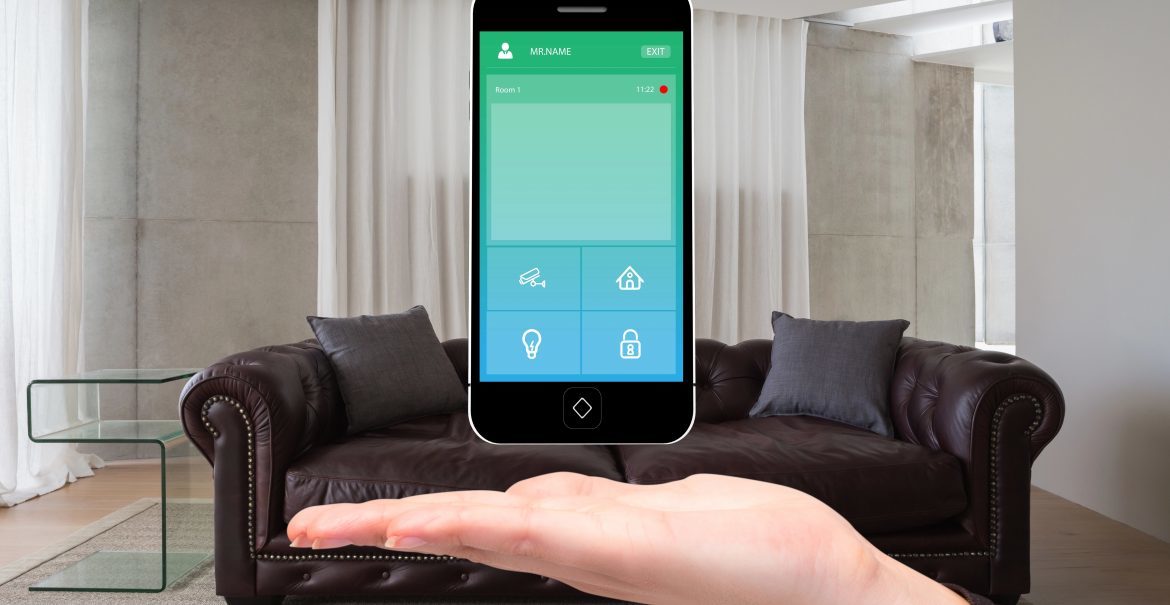 With all the buzz surrounding it lately, there is still a lot of confusion over what exactly home automation is. Sounding like something futuristic and space age, the reality of home automation is actually a lot simpler and easy to understand.
Home automation basically means anything in your house that can be controlled remotely or automatically, and it ranges from home security to the temperature settings in your house. As the technology is starting to become more accessible to everyday homes, there are constant updates to the capabilities of this exciting trend and improvements are made all the time.
Although it may sound futuristic and complicated, the sole purpose of home automation is to make your life easier. With the remotely controlled functions, you’re able to consolidate all or some of the electronics in your home and have greater control over them than before.

With any new technology, though, there are some potential issues to be found but there are also numerous benefits. As more of the issues are ironed out and greater benefits are uncovered, the future of home automation solutions is an open-ended and exciting one.
What is Home Automation?
So, what is home automation and what can it do for you? Another popular term for home automation is smart home, so it may make things clearer to picture it as so. Home automation describes anything that is controlled by a computer remotely, wirelessly, or automatically in your house.
The main purpose of home automation is to make our lives run smoothly, taking away mundane and small tasks such as setting the thermostat or locking the front door as we leave. There are many different products available that cater to various areas of our homes, all designed to offer modern convenience.
While some people might like to have just one home automation device in their home, others prefer a full suite. Homes today are even being built from the ground up as fully functioning smart homes, signaling a possible shift in how our homes are made.

With a home automation device, you’re able to control settings and functions usually with the help of a program or app. Using this program, you can set your doors to lock or turn on your thermostat from work so it can be at an ideal temperature when you arrive home. The options are truly limitless for the future of this technology, and it is in an exciting stage of development currently.
The History of Home Automation
Home automation has been a focal point of many inventors’ ideas for decades, with grand schemes and plans for devices to make life easier. The issue with many of these designs, however, is the failure to implement them in a real and convenient way. Here are just a few attempts at home automation over the years, leading to the present time.
- 1950 – Push Button Manor – Although not the first inventor to come up with the idea for the smart home, Push Button Manor was the first to be built from the ground up. Emil Mathas from the US built the home which featured automatic blinds, a dresser which lit up when the drawer was opened, and a wind-powered coffee grinder.
- 1957 – The Monsanto House of the Future – This Disneyland attraction was made solely from plastic and featured an ultrasonic dishwasher, adjustable smart sink, and more. This attraction saw 20 million guests visit it over its 10 years at the park.
- 1985 – Kissimmee Xanadu House – This futuristic home was designed by Roy Mason and featured many of the popular technologies smart homes have today. A computerized chef, automatic gardener, and a machine for weather reports were all part of this home.
- 1999 – Microsoft Smart Home – This visualization of a smart home was fairly accurate in terms of technology, featuring smart locks, CCTV security, and a barcode scanner which adds products to your online shopping.
- 2016 – Modern smart homes – Most home automation devices today aren’t as far-fetched as their predecessors, and focus more on basic but convenient tasks. As technologies improve, though, the abilities of these smart homes will become more futuristic and complicated as was predicted.
How Does Home Automation Work?
Although there are many items in your home controlled by remotes or those that work automatically, true home automation is achieved when these items come together on a shared network with one control device.

All home automation devices rely on a network to work together or be controlled by the user. This network is often referred to as the Internet of Things. The Internet of Things describes virtually anything with an on or off switch that can be connected to the internet or each other, such as your house, the lighting, appliances, and more.
Home automation uses this network to connect all of the items together and provide one integrated control point. While there are some home automation products that still work on their own, such as a door lock, this lock is also connected to your smartphone or computer which allow you to control it remotely.
True smart homes feature a range of home automation devices which work seamlessly with one another on this network and have a central command point. This is usually a home computer or smartphone, giving you access to all elements of your house from the one hub.
Home Automation Products
The current market of home automation products covers most of our basic needs around the house.

Rather than focusing on far out ideas such as a robot chef which cooks your meals, the current trend with home automation seems to provide smarter solutions to common household items and functions.
- Entertainment – As one of the areas where we spend a lot of money, it makes sense that entertainment is a huge industry for home automation. Current technologies include the ability to transform a room into a movie theater with one command; lower the lights, roll down the projector, and play your favorite film. In the morning as you step into the shower in your pre-heated bathroom, your favorite news channel turns on to keep you updated with global events.
- Personal assistant – While many of us enjoy the voice activated personal assistants we have on our smartphones, home automation takes this one step further. The popular home automation hub devices allow you to command a whole range of functions including weather reports, calendar settings, ordering pizza, or having a book read aloud to you. These personal assistants can also be commanded to change your lighting, climate control, or music choices.
- Lighting – A hugely popular sector of home automation, lighting appears to be an area where many people start their smart home obsession. Home automation lighting allows you to change entire color schemes with LED bulbs, dim or flash the lights and turn them on and off remotely when you’re away from home to scare off unwanted visitors.
- Security – Home automation and security go hand in hand, as this valuable technology has already helped thousands of homes become safer. With a huge market for security, home automation covers everything from smart locks to surveillance and cameras in doorbells, all the while keeping you updated on what’s happening in your house when you can’t be there yourself.
- Climate control – Another hugely popular area for home automation is climate control, and this is one of the most common uses of the technology in recent times. Apps and programs allow you to control the temperature remotely so that it can be perfect when you arrive home, and these devices even used complex sensors to detect who is in the home and how best to accommodate to their climate needs.
- Home health – Home automation also allows you to keep a check on your home and see how it may be impacting your health and environment. Water leakage sensors, pollution trackers, smoke alarms, and humidity sensors are just a few ways that your smart home can give you a detailed report on possible problem areas in your home so that you can stay on top of expensive repair jobs or health risks.

Home Automation and Security
As with anything that connects to the internet, extra caution should be taken with home automation to ensure we’re not opening ourselves up to hackers. Although the notion may sound like something out of a science fiction film, the possibility of someone hacking your home is a very real one.
A report by Forbes highlighted the danger with some home automation solutions which didn’t bother to focus on their users’ privacy. As a certain company developed software but never provided customers with usernames or passwords to access their home controls, and these homes were able to be found simply online with a Google search.
Not only were hackers able to turn off light switches or appliances, but they could also take control of other frightening items such as baby monitors or security cameras. This revelation led to tighter security controls in the home automation market, and for the better.

Although technology has certainly improved and most manufacturers are now aware of the areas which might be vulnerable, extra care does still need to be taken. Just as you protect your sensitive information online when using your computer, you should do so with your home.
Home Automation Software
Although there are many great home automation devices and companies available, many people are not satisfied with leaving the control of their homes in someone else’s hands. The software may have advanced and potential security problems ironed out, but these companies simply aren’t able to keep up with the constant update in technology and advancements that come with home automation.
For some, using an open source home automation tool is the only way to go. These programs allow you to edit your existing home automation software to make it smarter and safer, protecting yourself from the potential issues that come with this technology.
Using an open source home automation tool, users are able to build their own smart homes incorporating a range of existing technologies and devices or their own. This home automation software allows them to customize their homes how they see fit and add an extra layer of security if they want.

After revelations of lax security were found with some home automation software, products such as The Guardian Project gave users the chance to hide their home from hackers on the dark net. Advancements such as these show just how customizable smart homes can be, and prove that the communities behind these open source tools are extremely valuable in developing the technology.
DIY Home Automation
For those new to home automation or hoping to spend as little money as possible, there is a range of DIY devices available. There’s no need to spend thousands to have a fully integrated smart home installed, especially if you’re new to the technology, and many people try just one or two devices at first.
- LED light bulbs – These small bulbs can be installed in minutes and controlled by your smartphone. You can set them to come on at scheduled times, choose from millions of color schemes, and even sync them to your music.
- Smart plugs – A smart plug is a simple home automation hub which allows you to turn on and off power points around the home remotely. These devices can also help to monitor energy usage and save you money in the process.
- Hands-free speakers – Products such as Amazon Echo act as a home automation hub for entertainment, personal assistant tasks, and more. They’re wireless speakers that rely on voice command to operate and there’s no tricky installation process; it’s just like having your very own robot in the house.
- Smart locks – There are smart locks available on the cheaper end of the scale that still offer a lot in terms of security and surveillance. If you want just a little bit more protection around the home, these DIY products can be installed yourself in under an hour.

All of these devices can be purchased relatively cheap, depending on the quality you’re after. They’re able to be installed easily at home, and will give you a good idea of just how much convenience home automation devices can offer.
Some tech-savvy individuals have also created their own Bluetooth home automation devices which allow them to control appliances and switches in their house. DIY projects such as these, though, are not for beginners, so it’s best to purchase the pre-programmed devices if you’re not that way inclined.
Home Automation Installation
Featured at the higher end of the scale are these comprehensive home automation systems. A thorough home automation system can either be integrated as you build, or installed later. These systems group all of your devices into one control, and allow them to work seamlessly with one another.
As they’re a bit more technical than a DIY home automation kit, they are usually installed by professionals. These systems can integrate your water supply, electronics, security, and more so there is often complicated wiring and construction to tackle.

Costs included in home automation installation cover everything from wireless setup to data and security systems, and it has the potential to be in the hundreds of thousands for the extremely high-end products.
There are many companies now focussed solely on home automation who provide everything from consultation to installation, depending on how automated you want your house to be. These homes do everything from triggering events to using sensors to accommodate to your needs, so although they can be costly they truly embody everything a modern smart home should be.
Benefits of Home Automation
Whether you have just one home automation device or an entire smart home setup, there are so many benefits to be found with this amazing technology.

As home automation solutions get smarter, there are set to be many more advantages to the average family too, so it’s an area with even greater potential.
- Save money – While there might be an initial outlay of funds when you purchase your home automation systems and devices, these are generally designed to save you money in the long run. Having an automated thermostat, for example, allows you to keep an eye on energy costs and only use your system when you’re home. By controlling appliances, lights, and climate settings remotely you can ensure nothing ever gets left on to waste
- Save time – The ultimate factor in convenience for smart homes is just how much time they save you from minor tasks. Imagine driving in your garage which opens as you pull in, and having the door unlock for you, the heating already on inside the house, and your favorite music playing, without ever lifting a finger.
- Comfort – All of these devices are designed to bring you comfort, whether it’s in the form of climate control that can sense each individual or perfecting mood lighting to meet any atmosphere you want to create.
- Safety – Having home automation security devices is the easiest way to give your home added protection, with smart locks that are able to notify you if someone is tampering with the entryway and doorbells featuring small cameras that you can check remotely. Even home automation lighting can help your house look lived-in while you’re away, with remotely controlled lights that can ward off burglars.
- Entertainment – While it may not be as important as the other benefits, there’s no denying that having a smart home is a lot more fun than a regular one. Home automation devices, even simple DIY ones such as light bulbs, can transform your home into something from the future and they’re great a conversation starter with guests.
Potential Issues with Home Automation
As with any new trend that has benefits for the user, there are some areas to be cautious of with home automation.

Anything that requires technology or a connection to the outside world will have some obvious downfalls, but ones that will hopefully be resolved as the new generation of home automation arrives.
- Cost – As a relatively new technology, some may find the costs of home automation a bit off-putting. While it can be expensive to have your entire home installed with these solutions, there’s no need to spend even hundreds to experience the smart home trend.
- Security and privacy – With anything we connect to the internet, there is the potential for security risks and private information to be shared. Always use trusted products and ensure you research the privacy standards on your devices to ensure your home stays protected.
- Outdated technology – As this trend grows, each day brings with it new advancements. Many products become outdated moments after they’ve been released, so try to find products that allow for software updates as they become available.
The Future of Home Automation
The future of this technology is an exciting one, with seemingly endless opportunities for just how far it can go. Areas such as water control are of keen interest to developers, with the possibility to turn your water supply on and off remotely just around the corner.
Wearables are another area of interest, with the hope that smart home owners of the future don’t need to rely on a computer or smartphone to control their houses as they can do so with something already on their person.

Devices that take home automation one step further, such as a thermostat which detects changes in the humidity or air quality and then rectifies the issue are not too far off. These signal that home automation devices will not only take over from the tasks that we once did but improve on them too.
No matter what the future holds for home automation, there’s no denying that there are exciting times ahead. This amazing technology has already revolutionized the way we carry out day to day tasks and has added an undeniable element of safety, comfort, and convenience to our lives.
UpFront Home & Property Solutions creates custom homes for buyers in the South Jersey market. We work with our buyers from start to beginning to create their custom dream home, including home automation. Fill out the form below to get on our buyers list.
See the original article at “https://smarthomegearguide.com/ultimate-guide-to-home-automation/”